“Strength is an empty shell.”
Quote by Jack London
Work
JACK LONDON Ultimate Collection: 250+ Works in One Volume: Novels, Short Stories, Plays, Poetry, Memoirs, Essays & Articles (Illustrated): The Call of the Wild, The Sea-Wolf, White Fang, The Iron Heel, The Scarlet Plague, A Son of the Sun, Son of the Wolf, South Sea Tales, Children of the Frost, John Barleycorn, The War of the Classes…
The Jack London Ultimate Collection is a treasure trove of literature, compiling over 250 works from the renowned author. This compilation includes a diverse range of genres, from the adventurous tales of The Call of the Wild and The Sea-Wolf to the poignant narratives in White Fang. It also encompasses plays, poetry, and non-fiction pieces, showcasing London's versatility as a writer. The collection is enhanced with illustrations, providing visual accompaniment to the rich content. This comprehensive volume is a must-have for fans of Jack London's work and for those interested in exploring his literary contributions across various forms. more
Author
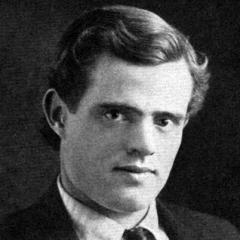
Jack London
Jack London was an American author known for his adventure novels and realistic works. His writings often depicted the lives of the underclass and his profound insights into the natural world. His notable works include 'The Call of the Wild' and 'White Fang'. more
You May Also Like
“There are three natural anaesthetics: Sleep, fainting, and death.”
Source: Selected Philosophical Works
Source: The Works of Francis Bacon
Source: An Essay Concerning Human Understanding: An analysis of Mr. Locke's Doctrine of ideas .... A defense of Mr. Locke's Opinion concerning personal identity .... A treatise on the conduct of the understanding. Some thoughts concerning reading and study for a gentleman. Elements of natural philosophy. A new method of a common place book. Extracted from the author's works. With a life of the author
“Curiosity is the direct incontinence of the spirit.”
Source: Holy Living and Dying Together with Prayers: Containing the Whole Duty of a Christian...