“Philosophy that satisfies its own intention, and does not childishly skip behind its own history and the real one, has its lifeblood in the resistance against the common practices of today and what they serve, against the justification of what happens to be the case.”
Quote by Theodor Adorno
Work
Critical Models: Interventions and Catchwords
This book is a compilation of critical essays that delve into the methodologies and terminologies used in the fields of literary and cultural analysis. It offers insights into different critical models and their applications in understanding and interpreting texts and cultural phenomena. more
Author
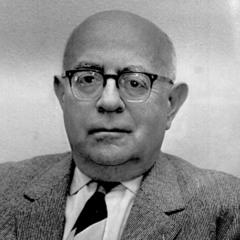
Theodor Adorno
Theodor Adorno was a German sociologist, philosopher, and musicologist. He is renowned for his critical theory, co-developed with Max Horkheimer and other members of the Frankfurt School. Adorno's research focused on the analysis of modern society, culture, and the influence of mass culture on individuals. more
You May Also Like
Source: Essays on Music
“Philosophy ... must not bargain away anything of the emphatic concept of truth.”
Source: Essays on Music
Source: Dialectic of Enlightenment
Source: Dialectic of Enlightenment
Source: Dialectic of Enlightenment
Source: Minima Moralia: Reflections on a Damaged Life
“The straight line is regarded as the shortest distance between two people, as if they were points.”