“It is clear that every civilization undergoes a process of historical change. We can see that a civilization comes into existence, passes through a long experience, and eventually goes out of existence.”
Quote by Carroll Quigley
Work
The evolution of civilizations: an introduction to historical analysis
This book serves as an introductory guide to the study of historical analysis, exploring the progression and evolution of civilizations across various time periods and regions. more
Author
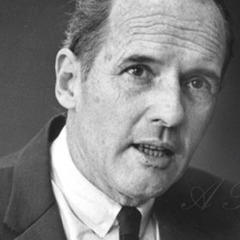
Carroll Quigley
Carroll Quigley was an American historian renowned for his profound insights into modern world history. His book 'Tragedy and Hope' revealed how global financial elites have influenced the course of world history. more
You May Also Like
Source: The evolution of civilizations: an introduction to historical analysis
Source: The evolution of civilizations: an introduction to historical analysis
“The instrument of expansion of Classical civilization was a social organization, slavery.”
Source: The evolution of civilizations: an introduction to historical analysis
Source: The evolution of civilizations: an introduction to historical analysis
Source: The evolution of civilizations: an introduction to historical analysis
Source: The evolution of civilizations: an introduction to historical analysis