“Where does beauty begin? Where does it end? Where it ends is where the artist begins.”
Quote by John Cage
Work
Silence: Lectures and Writings
This book presents a series of lectures and written works from John Cage, the pioneering American experimental composer renowned for his innovative approach to music and sound. The collection offers insights into Cage's artistic philosophy, his experimental methods, and his unconventional perspectives on the creative process. Through various essays and lectures, Cage discusses concepts related to silence, chance, and the boundaries of musical artistry. As one of the influential figures in twentieth-century avant-garde music, Cage challenged traditional musical conventions and explored the relationship between sound, environment, and performer. The writings reflect his engagement with Eastern philosophical ideas and his collaborative work with artists including Merce Cunningham. The book provides readers with an opportunity to understand the intellectual foundation behind Cage's groundbreaking musical compositions and his lasting impact on contemporary music and art. more
Author
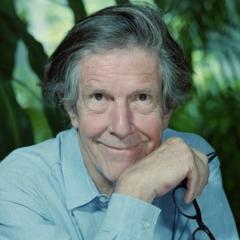
John Cage
John Cage (September 5, 1912 - August 12, 1992) was an American composer, music theorist, writer, and experimental musician. Known for his unique approach to music composition and exploration of sound, Cage's works often broke the boundaries of traditional music, profoundly influencing modern music. more
You May Also Like
“Say it clearly and you make it beautiful, no matter what.”
Source: What Saves Us
Source: The Great Work: Our Way into the Future
“Beauty's where you find it; not just where you bump and grind it.”
“The reading of all good books is like a conversation with the finest minds of past centuries.”
“One rose is enough for the dawn”
Source: The Book of Questions: The Book of Yukel, Return to the Book
“Truth is the first thing to be sought for, and Beauty and Goodness will then be added unto you.”
Source: All Men Are Brothers