Quotessence
Home / Quotes / Quote by Barbara Brown Taylor

Quote by Barbara Brown Taylor

“The earth had granted me a lifeline, by letting me siphon off some of the water that was on its way somewhere else. Because of me, there would be less water flowing into the Chattahoochee River: less for the speckled trout, less for the wood ducks, less for the mountain laurel that drop their white petals into the river every fall. There would be more water flowing into my septic tank, laced with laundry detergent, dish soap, and human waste. At that moment of high awareness, I promised the land that I would go easy on the water. I would remember where it came from. I would remain grateful for the sacrifice.”

Quote by Barbara Brown Taylor

Work

Leaving Church: A Memoir of Faith

This memoir delves into the author's journey of leaving the church, examining the emotional and spiritual challenges encountered during the process. more

Author
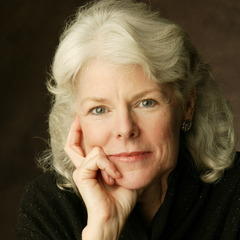
Barbara Brown Taylor

Barbara Brown Taylor, born on September 21, 1951, is an American priest with a profound understanding of theology. She has served as a pastor in several churches and is known for her unique preaching style and insightful views on religious life. more

You May Also Like

“James hoped the newsletter would garner support from Bahana, or white people, to stop a town well that the Bureau of Indian Affairs wanted to dig and a tower it wanted to erect to store the water. The Hotevilla elders were willing to lay down their lives in this battle. They’d done it before, preventing the BIA from bringing electricity to the village by lying down in front of bulldozers. If that well went in, James explained, people would waste water. Their spring would dry out- an unthinkable tragedy, as it would make it impossible for them to live there any longer. Could two cultures be any different? I now wondered. We were taking federal money to mine water and would do so until the unlikely day that same government made us stop. The Hopi had been trying to prevent the government from giving them a well in the first place.”

“Nous consommons ressources naturelles, énergie et matières premières comme si elles étaient des biens gratuits. Vous pourrez constater à la lecture de cette brochure que tel n’est pas le cas. Dans notre alimentation, notre habitation, nos moyens de transports, nos loisirs, bref dans notre vie de tous les jours, nos gestes de consommation peuvent aider à protéger, conserver ou améliorer notre environnement. Par nos gestes quotidiens, nous pouvons bâtir notre milieu de vie. La protection de l’environnement n’exclut pas le progrès. Mais le progrès ne doit pas aller à l’encontre de la qualité de l’environnement. C’est un équilibre que je vous invite à respecter.”

“most human endeavours, unless checked by public dissent, evolve into monocultures. money seeks out a region’s comparative advantage, the field in which it competes most successfully, and promotes it to the exclusion of all else. every landscape or seascape, if this process is loosed, performs just one function. this greatly taxes the natural world”

“On a larger scale-be it our need for precious metals, hydroelectric power, or marine resources- we will all face the same decisions, feel under the same pressure to perform and produce. We will always be tempted to take a little more, push the land and its limits just a little bit harder. Do one or two birds matter? Will one more mineral mine or a few more drilling platforms alter the delicate balance? No, not on their own. But person by person, decision by decision, year by year, we will either nurture and protect this natural treasure for future generations, or we will not and our world will be profoundly diminished.”