“No intelligent radical can fail to realize the need of the rational education of the young. The rearing of the child must become a process of liberation by methods which shall not impose ready-made ideas, but which should aid the child's natural self-unfoldment. The purpose of such an education is not to force the child's adaptation to accepted concepts. but to give free play to his [and her] originality, initiative, and individuality. Only by freeing education from compulsion and restraint can we create the environment for the manifestation of the spontaneous interest and inner incentives on the part of the child. Only thus can we supply rational conditions favorable to the development of the child's natural tendencies and his latent emotional and mental faculties. Such methods of education, essentially aiding the child's imitative quality and ardor for knowledge, will develop a generation of healthy intellectual independence. It will produce men and women capable, in the words of Francisco Ferrer, “of evolving without stopping, of destroying and renewing their environment without cessation; of renewing themselves also; always ready to accept what is best, happy in the triumph of new ideas, aspiring to live multiple lives in one life.”
Quote by Alexander Berkman
Author
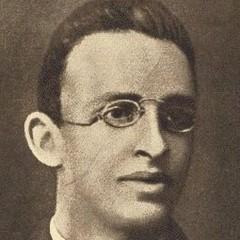
Alexander Berkman
Alexander Berkman, born on November 21, 1870, in Lithuania, and died on June 28, 1936, in the United States, was a Russian anarchist, social revolutionary, writer, and journalist. He was a prominent figure in the anarchist movement and his ideas and actions had a profound impact on the political and social movements of the early 20th century. more
You May Also Like
Source: Kids Are Worth It!: Giving Your Child the Gift of Inner Discipline
Source: Science And Human Behavior
Source: Mama Day
“Young things mainly belong to themselves. How they grow up depends on who gets attached to them.”
Source: Lonesome Dove
Source: Take Your Time: How to Find Patience, Peace, and Meaning
Source: Dad Is Fat
“Maybe that's why life is so precious. No rewind or fast forward...just patience and faith.”