“Place, time, life, death, earth, heaven are divisions and distinctions we make, like the imaginary lines we trace upon the surface of the globe.”
Quote by Fanny Kemble
Work
Records of Later Life
This book offers a collection of personal essays and stories that delve into the experiences and insights gained during the later stages of an individual's life. It provides a glimpse into the wisdom and perspectives accumulated over time. more
Author
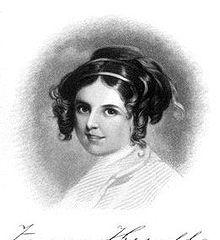
Fanny Kemble
Fanny Kemble was a distinguished 19th-century English actress and writer. Born on November 27, 1809, and passing away on January 15, 1893, she was renowned for her acting prowess and literary contributions. Kemble's career on the stage was marked by her remarkable performances in Shakespearean and contemporary plays, and her transition to writing after her retirement from acting resulted in several notable works, including memoirs that offered a unique perspective on the life of an actress in the 19th century. She was also a vocal advocate for social and political issues, including women's rights and the abolition of slavery. more
You May Also Like
Source: Journal of a Residence on a Georgian Plantation in 1838-1839
“The spring is already here with her hands full of flowers.”
Source: Journal of a Residence on a Georgian Plantation in 1838-1839
“Assuredly of all earthly conditions uncertainty is the most unblest.”
Source: Records of Later Life
Source: Journal of a Residence in America
Source: Fanny, the American Kemble: her journals and unpublished letters
“... it's always determined characters who make the greatest fools.”
Source: Fanny, the American Kemble: her journals and unpublished letters