“I turn my eyes to the schools & universities of Europe And there behold the loom of Locke whose woof rages dire, Washed by the water-wheels of Newton. Black the cloth In heavy wreaths folds over every nation; cruel works Of many wheels I view, wheel without wheel, with cogs tyrannic Moving by compulsion each other: not as those in Eden, which Wheel within wheel in freedom revolve, in harmony & peace.”
Quote by William Blake
Work
Blake: The Complete Poems
Blake: The Complete Poems is a definitive compilation of the poetry of William Blake, featuring a vast array of his works. The collection spans his entire poetic career, highlighting his innovative approach to verse and his exploration of spiritual and religious themes. It includes both his early and later poems, providing a rich tapestry of his literary output. more
Author
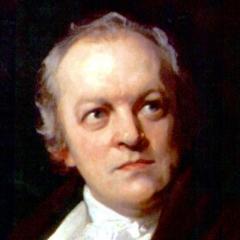
William Blake
William Blake (November 28, 1757 - August 12, 1827) was an English Romantic poet, painter, and printmaker. Known for his unique visual art and profound philosophical thoughts, he is considered one of the most innovative poets in the history of English literature. more
You May Also Like
“In our educational institutions applied science may almost be described as a "no-man's land."”
Source: Democracy And Education
“The educated man is a greater nuisance than the uneducated one.”
Source: Back to Methuselah
Source: Science and Reform: Selected Works of Charles Babbage
Source: The Price of Freedom: Speeches and Addresses