“Alcoholism, the opium habit and tobaccoism are a trio of poison habits which have been weighty handicaps to human progress during the last three centuries. In the United States, the subtle spell of opium has been broken by restrictive legislation; the grip of the rum demon has been loosened by the Prohibition Amendment to the Constitution, but the tobacco habit still maintains its strangle-hold and more than one hundred million victims of tobaccoism daily burn incense to the smoke god.”
Quote by John Harvey Kellogg
Work
Tobaccoism;: Or, How Tobacco Kills,
This book delves into the detrimental impacts of tobacco consumption, exploring its effects on individuals and communities, and advocating for its reduction and control. more
Author
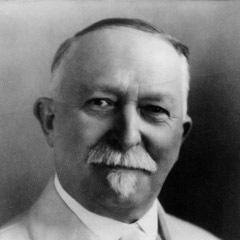
John Harvey Kellogg
John Harvey Kellogg was a renowned medical doctor, born on February 26, 1852, and died on December 14, 1943. He is best known for his contributions to the fields of nutrition and medicine, particularly in the development of breakfast cereals and health foods. more
You May Also Like
Source: Leonardo's Mountain of Clams and the Diet of Worms
Source: Macrolife: A Mobile Utopia
Source: An Introduction to the Study of Experimental Medicine
Source: Reflections on the Decline of Science in England: And on Some of Its Causes, by Charles Babbage (1830). To which is Added On the Alleged Decline of Science in England, by a Foreigner (Gerard Moll) with a Foreword by Michael Faraday (1831).