“We need only reflect on what has been prov'd at large, that we are never sensible of any connexion betwixt causes and effects, and that 'tis only by our experience of their constant conjunction, we can arrive at any knowledge of this relation.”
Quote by David Hume
Work
A Treatise of Human Nature
This seminal text delves into the fundamental aspects of human nature, including perception, reason, and moral sense, offering a comprehensive analysis of human experience and knowledge. more
Author
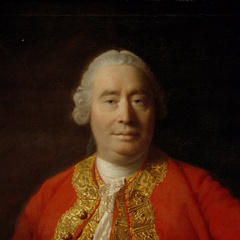
David Hume
David Hume, born on May 7, 1711, in Edinburgh, Scotland, and died on August 25, 1776, was an outstanding philosopher, historian, and economist. Known for his contributions to empiricism and skepticism, his works have had a profound impact on subsequent philosophy, economics, and psychology. more
You May Also Like
“The extra pass and the extra effort on defense always get the job done.”
“Where there is no knowledge ignorance calls itself science.”
Source: George Bernard Shaw: Collected Articles, Lectures, Essays and Letters: Thoughts and Studies from the Renowned Dramaturge and Author of Mrs. Warren’s Profession, Pygmalion, Arms and The Man, Saint Joan, Caesar and Cleopatra, Androcles And The Lion
Source: Newton: Philosophical Writings
Source: The Water-babies a Fairy Tale for a Land-baby by the Rev. Charles Kingsley