“Chaos theory, a more recent invention, is equally fertile ground for those with a bent for abusing sense. It is unfortunately named, for 'chaos' implies randomness. Chaos in the technical sense is not random at all. It is completely determined, but it depends hugely, in strangely hard-to-predict ways, on tiny differences in initial conditions.”
Quote by Richard Dawkins
Work
Science in the Soul: Selected Writings of a Passionate Rationalist
This book compiles a selection of writings that delve into the philosophical and ethical dimensions of scientific inquiry, reflecting the author's commitment to rationality and the pursuit of knowledge. more
Author
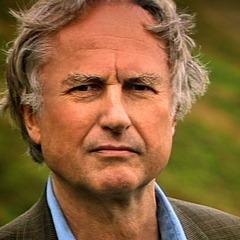
Richard Dawkins
Richard Dawkins is a British ethologist, writer, and thinker, known for his contributions to evolutionary theory, particularly in the field of modern synthesis. He is widely recognized for his best-selling book 'The Selfish Gene', which explains the central role of genes in biological evolution. Dawkins has made significant impacts in the field of science communication and has sparked widespread discussions about human behavior and morality. more
You May Also Like
Source: Chance and Chaos
“All cats die. Socrates is dead. Therefore Socrates is a cat.”
Source: Rhinoceros and Other Plays: Includes: The Leader; The Future Is in Eggs; It Takes All Kinds to Make a World
Source: Samuel Johnson: Selected Writings