“In Tibet there is no marriage, and there is no jealousy, yet we know that marriage is a much higher state. The Tibetans have not known the wonderful enjoyment, the blessing of chastity, the happiness of having a chaste, virtuous wife, or a chaste, virtuous husband. These people cannot feel that. And similarly they do not feel the intense jealousy of the chaste wife or husband, or the misery caused by unfaithfulness on either side, with all the heart-burnings and sorrows which believers in chastity experience. On one side, the latter gain happiness, but on the other, they suffer misery too.”
Quote by Swami Vivekananda
Work
The Complete Works of Swami Vivekananda
This book includes a wide range of Swami Vivekananda's teachings on spirituality, philosophy, and social issues, offering insights into his thoughts on various aspects of life and the human condition. more
Author
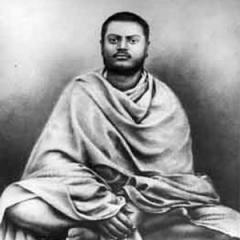
Swami Vivekananda
Swami Vivekananda (January 12, 1863 – July 4, 1902) was an Indian Hindu monk, philosopher, and social reformer. Born as Narendranath Datta in Kolkata, he was a chief disciple of the mystic Ramakrishna. He is best known for his historic speech at the 1893 Parliament of the World's Religions in Chicago, where he introduced Hinduism to the Western world. He founded the Ramakrishna Mission in 1897, focusing on social service, education, and interfaith harmony. His teachings emphasized self-realization, service to humanity, and the unity of all religions. He wrote extensively on yoga and Vedanta philosophy, influencing global spirituality and Indian nationalism. He died at the age of 39, leaving a lasting legacy as a bridge between Eastern and Western thought. more
You May Also Like
Source: The Complete Works of Swami Vivekananda
“Marriage and sex and money the only living devils.”
Source: The Complete Works of Swami Vivekananda
“Marriage is not for individual happiness, but for the welfare of the nation and the caste.”
Source: The Complete Works of Swami Vivekananda
Source: Complete Works
Source: Swami Vivekananda's Rousing Call to Hindu Nation
Source: Complete Works
Source: The Complete Works of Swami Vivekananda
Source: The Complete Works of Swami Vivekananda
Source: The Complete Works of Swami Vivekananda