“But the fact of it was that I liked it out there, a ruin devoid of human vanities, clean of human illusions, an empty place reclaimed by the weather where a woman plays an organ to stop the wind's whining and an old man plays ball with a dog named Duke. I could tell you that I came back because I had promises to keep, but maybe it was because nobody asked me to stay.”
Quote by Joan Didion
Work
Slouching towards Bethlehem
This work gathers twenty essays written between 1965 and 1967, capturing the disintegration of traditional American social structures during a period of profound cultural transformation. The title essay, which lends its name to the collection, reports from San Francisco's Haight-Ashbury district at the height of the counterculture movement, documenting the collision between idealism and reality among the young people who had gathered there. Other pieces address topics including John Wayne, Howard Hughes, the wedding industry, and the author's own experiences in New York and California. The collection is recognized for its distinctive prose style—characterized by precise observation, fragmented structure, and unsparing examination of both its subjects and the author's own perspective—and for its early articulation of what would become known as New Journalism, blending reportage with personal reflection and literary technique. more
Author
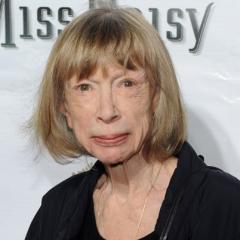
Joan Didion
Joan Didion is an American author born on December 5, 1934. Known for her distinctive narrative style and profound insights into modern life, her works have gained recognition for their unique perspective and deep understanding of the complexities of contemporary society. more
You May Also Like
“Earth has no sorrow that heaven cannot heal.”
Source: Poetical works
Source: My Sister's Keeper: A Novel
“The opposite of love is indifference, and the opposite of happiness is boredom.”
Source: All the Pretty Horses
Source: Wanderlust: A History of Walking
Source: Wanderlust: A History of Walking