“The very idea of the power and the right of the people to establish government presupposes the duty of every individual to obey the established government.”
Quote by George Washington
Work
Washington's Farewell Address to the People of the United States
This book presents the full text of George Washington's farewell address, a significant historical document that offers insights into the first President of the United States' vision for the nation's future. The address emphasizes the importance of national unity, the dangers of political factions, and the necessity of maintaining a strong military while avoiding permanent foreign alliances. It is a profound reflection on the principles that Washington believed were essential for the stability and prosperity of the young nation. more
Author
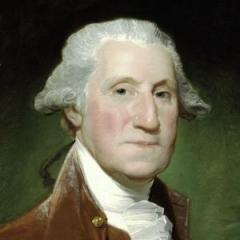
George Washington
George Washington was the first President of the United States and a key figure in the American Revolutionary War. Born on February 22, 1732, and died on December 14, 1799, Washington is known for his strong leadership and belief in democracy, playing a crucial role in American history. more
You May Also Like
Source: The federalist papers
Source: The Federalist: A Commentary on the Constitution of the United States
Source: The Federalist, on the New Constitution, Written in the Year 1788
Source: The Federalist Papers: A Collection of Essays Written in Favour of the New Constitution
Source: The federalist papers