“I could not imagine that the future I was walking toward could compare in any way to the past that I was leaving behind.”
Quote by Nelson Mandela
Work
The Essential Nelson Mandela
This comprehensive compilation includes key speeches and personal reflections from Nelson Mandela, offering insights into his life, his beliefs, and his fight against apartheid. The book provides a glimpse into the mind of one of the most influential figures in modern history, showcasing his leadership and commitment to justice and equality. more
Author
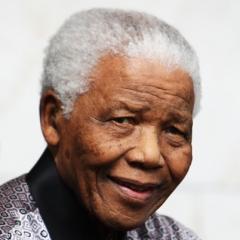
Nelson Mandela
Nelson Mandela, the former President of South Africa, was born on July 18, 1918, and passed away on December 5, 2013. He was a leader in the anti-apartheid movement in South Africa and was imprisoned for 27 years for his opposition to apartheid policies. Mandela dedicated himself to promoting democracy and equality in South Africa, becoming a symbol of anti-racism and peace worldwide. more
You May Also Like
Source: Men in Black: How the Supreme Court Is Destroying America
Source: The Sound And The Fury
Source: Hunted: A House of Night Novel
“What you can't run away from, you have to face”
Source: Dante Valentine
“I'm backing down now. I really do love you. That's why I'm doing this.”
Source: Vampire Academy: The Complete Collection