“The crew of the caravel "Nina" also saw signs of land, and a small branch covered with berries. Everyone breathed afresh and rejoiced at these signs.”
Quote by Christopher Columbus
Work
Journal of Christopher Columbus (During His First Voyage, 1492-93): And Documents Relating the Voyages of John Cabot and Gaspar Corte Real
This volume presents a compilation of firsthand accounts and official documents from the early era of European exploration across the Atlantic. The centerpiece is the journal kept by Christopher Columbus during his first voyage from 1492 to 1493, which records his observations, encounters, and navigational details as he sought a westward route to Asia. The book also includes supplementary documents that shed light on the subsequent voyages of John Cabot, who explored the northeastern coast of North America under English patronage, and Gaspar Corte Real, a Portuguese explorer who ventured into the North Atlantic. Together, these texts offer a window into the motivations, experiences, and early interactions of European explorers with the lands and peoples they encountered, serving as a valuable resource for understanding the age of discovery. more
Author
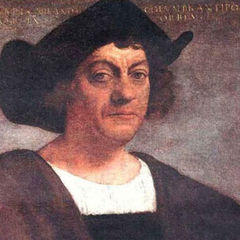
Christopher Columbus
Christopher Columbus, born in 1451 in Genoa, Italy, was a renowned explorer. He believed that the Earth was round and that by sailing west, he could reach Asia. In 1492, he received funding from the Spanish monarchy and embarked on his voyage. Between 1492 and 1502, he made four voyages to the Americas, discovering the New World and profoundly impacting world history. more
You May Also Like
Source: Clarence Thomas -- Confronting the Future: Selections from the Senate Confirmation Hearings and Prior Speeches
“Nothing is farther than earth from heaven; nothing is nearer than heaven to earth.”
Source: The Brothers Karamazov
Source: The Life of Christ
Source: Advent with Evelyn Underhill
Source: The Word and the World