“For who can wonder that man should feel a vague belief in tales of disembodied spirits wandering through those places which they once dearly affected, when he himself, scarcely less separated from his old world than they, is for ever lingering upon past emotions and bygone times, and hovering, the ghost of his former self, about the places and people that warmed his heart of old?”
Quote by Charles Dickens
Work
The Mystery of Edwin Drood and Other Stories
This book is a compilation of short tales that revolve around the intriguing figure of Edwin Drood, blending elements of mystery and intrigue. more
Author
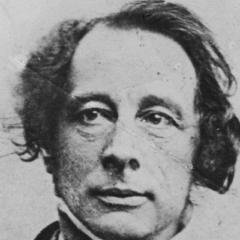
Charles Dickens
Charles Dickens, a British writer born on February 7, 1812, and died on June 9, 1870, is one of the greatest novelists of the 19th century. Known for his profound social criticism and vivid narrative style, Dickens' works extensively cover social reality, revealing various issues in the British society of the time. more
You May Also Like
“My mom was such a strong character. I don't want to say she was like a man, but she was tough.”
Source: The Life And Adventures Of Nicholas Nickleby
Source: The Old Curiosity Shop ... With a Frontispiece. From a Painting by Geo. Cattermole, Etc
Source: A Cyclopedia of the Best Thoughts of Charles Dickens
“The worst of all listeners is the man who does nothing but listen.”
Source: all the year round
Source: all the year round