“Insanity is a direct and appropriate response to the coercive inauthenticity of society ... it is an act, expressing the intention of the insane person to meet and overcome to coercive situation; and whether or not it succeed in this intention, it is at least an act of criticism which exposes the true nature of society”
Quote by Lionel Trilling
Work
Sincerity and Authenticity
This book delves into the complexities of sincerity and authenticity, examining their role in human interactions and societal structures. It explores the challenges of maintaining genuine intentions and actions in a world often influenced by external pressures and expectations. more
Author
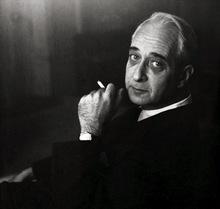
Lionel Trilling
Lionel Trilling was an influential American literary critic and writer, born on July 4, 1905, and died on November 5, 1975. He was a significant figure in 20th-century American literary criticism, known for his profound thought and sharp insights. more
You May Also Like
“I find that the world is changing much, much faster than I can even bitch about it.”
Source: The New New Rules: A Funny Look at How Everybody but Me Has Their Head Up Their Ass
Source: Feminist Theory: From Margin to Center
Source: Capital: A Critique of Political Economy, Volume 3
Source: Os Maias
Source: The Dispossessed: An Ambiguous Utopia
Source: Evasion
“Psychos are in uniform circulation in society.”
Source: Coinman: An Untold Conspiracy
Source: The Book of Ivy
“In a world of chemically induced sanity, a little lunacy confers immense advantages.”
Source: Arcadia
Source: The Legacy of the Civil War