“Man's nature, he postulated, was to be a "free conscious producer," but so far he had not been able to express himself freely in productive activity. He had been driven to produce by need and greed, by a passion for accumulation which in the modern bourgeois age becomes accumulation of capital. His productive activity had always, therefore, been involuntary; it had been "labour.”
Quote by Robert C. Tucker
Work
The Marx-Engels reader
The Marx-Engels Reader is a seminal work that brings together a selection of key texts by the influential thinkers Karl Marx and Friedrich Engels. It includes their foundational works on political economy, class struggle, and the critique of capitalism. The reader provides insight into their theories on social change, revolution, and the role of the state, making it a cornerstone for understanding modern political thought. more
Author
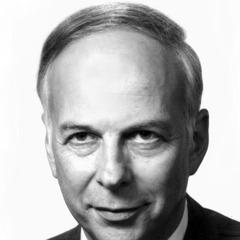
Robert C. Tucker
Robert C. Tucker was an American historian renowned for his in-depth research on the Cold War era. His book 'The Origins of the Cold War' had a profound impact on understanding the historical context and influence of the Cold War. more
You May Also Like
“Remember, a smile is more contagious than the coronavirus.”
“social capital pyramid scheme”
Source: Null States
Source: Reimagining Pakistan: Transforming a Dysfunctional Nuclear State
Source: WTF?: What's the Future and Why It's Up to Us
Source: Uproot: Travels in 21st-Century Music and Digital Culture
Source: Capital in the Twenty First Century
Source: The Land Flowing With Milk And Honey
Source: Wage-Labour and Capital & Value, Price and Profit