“I have often reflected within myself on this unaccountable humor in womankind of being smitten with everything that is showy and superficial, and on the numberless evils that befall the sex from this light fantastical disposition.”
Quote by Joseph Addison
Work
The Works of the Right Honourable Joseph Addison
This volume gathers the literary output of Joseph Addison, one of the most prominent writers of the Augustan Age in English literature. The collection includes the witty and polished essays that made Addison famous through his periodical works, which helped shape the essay as a literary form in English. The compilation features his poetry, ranging from meditative verses to celebratory odes, as well as his dramatic productions, most notably the tragedy that secured his reputation in theatrical circles. Addison's prose style, characterized by clarity, elegance, and gentle satire, exemplifies the literary standards of his era and influenced generations of English writers. The collected works preserve for posterity the writings of a man who served his country in high political office while maintaining his position as a leading light of English letters during the reign of Queen Anne. more
Author
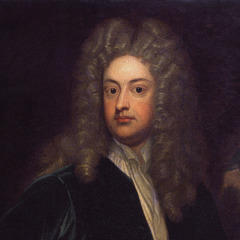
Joseph Addison
Joseph Addison, born on May 1, 1672, and died on June 17, 1719, was an influential English essayist, dramatist, and poet. He is known for his elegant prose style and his co-authorship of the magazine 'The Spectator' with Richard Steele. more
You May Also Like
Source: The spectator
Source: The works of ... Joseph Addison, with notes by R. Hurd
Source: The Spectator, in Miniature: Being the Principal Religious, Moral, Humourous, Satirical and Critical Essays, in that Publication Compressed Into Two Volumes
Source: The Spectator: with notes and illustrations. In six volumes
Source: The Works of the Right Honourable Joseph Addison: The Tatler and Spectator [no. 1-160
Source: The spectator
Source: The Beauties of the Spectators, Tatlers, and Guardians: Connected and Digested Under Alphabetical Heads
Source: Works, including the whole contents of Bp. Hurd's edition: withletters and other pieces not found in any previous collection; and Macaulay's essay on his life and works
“What can that man fear who takes care to please a Being that is able to crush all his adversaries?”