“An empirical philosophy is in any case a kind of intellectual disrobing. We cannot permanently divest ourselves of the intellectual habits we take on and wear when we assimilate the culture of our own time and place. But intelligent furthering of culture demands that we take some of them off, that we inspect them critically to see what they are made of and what wearing them does to us. We cannot achieve recovery of primitive naïveté. But there is attainable a cultivated naïveté of eye, ear and thought.”
Quote by John Dewey
Work
The Later Works of John Dewey, Volume 1: 1925, Experience and Nature
This volume is the first in a series of works by the American philosopher John Dewey, published in 1925. It includes essays that delve into Dewey's theories on experience and its connection to the natural world, reflecting his ongoing philosophical inquiry into the nature of knowledge and reality. more
Author
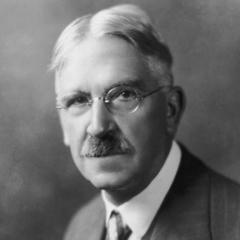
John Dewey
John Dewey was an American philosopher and educator, born on October 20, 1859, and died on June 1, 1952. He was a leading figure in the philosophy of pragmatism and had a profound impact on 20th-century education, philosophy, and the social sciences. more
You May Also Like
“Expertness of taste is at once the result and reward of constant exercise of thinking.”
Source: The Later Works, 1925-1953: 1929
Source: The Middle Works, 1899-1924
Source: Reconstruction in Philosophy
“We never do anything well till we cease to think about the manner of doing it.”
Source: Sketches and Essays by W. H. Now first collected [and edited] by his son
“I'm not willing to put a percentage on the chances but I will no longer rule it out.”