“my belief in the sacrament of the Eucharist is simple: without touch, God is a monologue, an idea, a philosophy; he must touch and be touched, the tongue on flesh, and that touch is the result of the monologues, the idea, the philosophies which led to faith; but in the instant of the touch there is no place for thinking, for talking; the silent touch affirms all that, and goes deeper: it affirms the mysteries of love and mortality.”
Quote by Andre Dubus
Work
Broken Vessels: Essays
This book is a compilation of reflective and thought-provoking essays that delve into a range of topics, offering readers a diverse and insightful look into the author's perspectives. more
Author
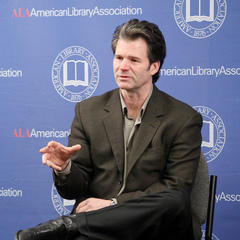
Andre Dubus
Andre Dubus is an American novelist known for his profound emotional portrayal and realistic style. His works often focus on the inner world of ordinary people and their interpersonal relationships, particularly skilled at depicting conflicts and resolutions within families and intimate relationships. more
You May Also Like
Source: Broken Vessels: Essays
“The self-surmounter can never put up with the man who has ceased to be dissatisfied with himself.”
Source: The Outsider