“Joy rises in me, like a summer's morn.”
Quote by Samuel Taylor Coleridge
Work
The Complete Works of Samuel Taylor Coleridge: With an Introductory Essay Upon His Philosophical and Theological Opinions
The Complete Works of Samuel Taylor Coleridge is a definitive compilation of the poet's extensive writings, featuring his poetry, prose, and critical essays. The volume is enhanced with an introductory essay that delves into Coleridge's philosophical and theological beliefs, providing insight into the intellectual context of his work. more
Author
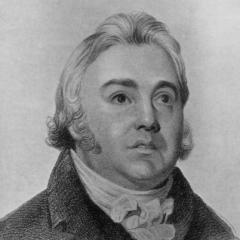
Samuel Taylor Coleridge
Samuel Taylor Coleridge was an English poet, critic, and philosopher, renowned for his works such as 'The Rime of the Ancient Mariner' and 'Kubla Khan'. A leading figure in the Romantic movement, his work has had a significant impact on English literature. more
You May Also Like
Source: The Complete Works of Samuel Taylor Coleridge: Poetry, Plays, Literary Essays, Lectures, Autobiography and Letters (Classic Illustrated Edition): The Entire Opus of the English poet, literary critic and philosopher, including The Rime of the Ancient Mariner, Kubla Khan, Christabel, Lyrical Ballads, Conversation Poems and Biographia Literaria
“Never pursue literature as a trade.”
Source: Biographia Literaria; Or, Biographical Sketches of My Literary Life and Opinions
Source: Shakespeare, With Introductory Matter on Poetry, The Drama, and The Stage by S.T. Coleridge: Coleridge’s Essays and Lectures on Shakespeare and Other Old Poets and Dramatists
Source: Specimens of the Table Talk of Samuel Taylor Coleridge
Source: Collected Letters: 1820-1825
Source: Biographia Literaria, Or, Biographical Sketches of My Literary Life and Opinions
Source: Biographia Literaria: Or, Biographical Sketches of My Literary Life and Opinions