“Gandhi has sound economic and cultural reasons for encouraging the revival of cottage industries, but he does not counsel a fanatical repudiation of all modern progress. Machinery, trains, automobiles, the telegraph have played important parts in his own colossal life! Fifty years of public service, in prison and out, wrestling daily with practical details and harsh realities in the political world, have only increased his balance, open-mindedness, sanity, and humorous appreciation of the quaint human spectacle.”
Quote by Paramahansa Yogananda
Author
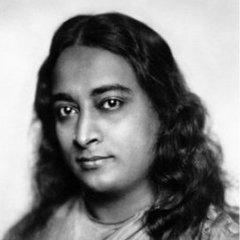
Paramahansa Yogananda
Paramahansa Yogananda was an Indian spiritual teacher born on January 5, 1893, and passed away on March 7, 1952. He is considered one of the key figures in spreading yoga and Indian spiritual philosophy in the Western world, profoundly influencing the understanding of Eastern spiritual traditions in the West. more
You May Also Like
Source: Autobiography of a Yogi
“Brotherhood is an ideal better understood by example than precept!”
Source: Autobiography of a Yogi
“Like those crabs which dress themselves with seaweed, we wear belief and custom.”
“Peace ... is a morbid condition, due to a surplus of civilians, which war seeks to remedy.”
Source: The Condemned Playground
Source: Enemies of Promise
“Beneath a mask of selfish tranquility nothing exists except bitterness and boredom.”