“At last she sighed. "But the most wretched thing — is it not? — is to drag out, as I do, a useless existence. If our pains were only of some use to someone, we should find consolation in the thought of the sacrifice.”
Book:madame bovary
“At last she sighed. "But the most wretched thing — is it not? — is to drag out, as I do, a useless existence. If our pains were only of some use to someone, we should find consolation in the thought of the sacrifice.”
Gustave Flaubert's Madame Bovary is a seminal work of 19th-century French literature. The novel follows the life of Emma Bovary, a woman who is discontent with her provincial life and marries Charles Bovary, a dull and unambitious country doctor. Emma's dissatisfaction leads her to seek fulfillment through romantic escapades and extramarital affairs, ultimately leading to disaster. Flaubert's meticulous attention to detail and his exploration of themes such as social class, materialism, and the human condition have made this novel a classic of world literature. more
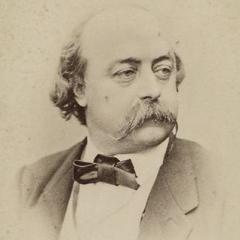
Gustave Flaubert, born on December 12, 1821 and died on May 8, 1880, was a prominent French writer of the 19th century. Known for his exquisite literary skills and profound psychological portrayals, Flaubert is best remembered for his masterpiece 'Madame Bovary'. more
“Don't be a zombie for anyone, if your oppressor likes zombies, cinemas are not located in mars.”
“It's not events, but our opinions about them, which cause us suffering.”