“His vision, from the constantly passing bars, has grown so weary that it cannot hold anything else. It seems to him there are a thousand bars, and behind the bars, no world. As he paces in cramped circles, over and over, the movement of his powerful soft strides is like a ritual dance around a center in which a mighty will stands paralyzed. Only at times, the curtain of the pupils lifts, quietly. An image enters in, rushes down through the tense, arrested muscles, plunges into the heart and is gone.”
Quote by Rainer Maria Rilke
Work
The best of Rilke: 72 form-true verse translations with facing originals, commentary, and compact biography ; translated by Walter Arndt ; foreword by Cyrus Hamlin
The book features a selection of Rilke's verse, meticulously translated to maintain the original form and meaning. Each poem is paired with its German counterpart, allowing readers to compare and appreciate the nuances of both languages. The collection is further enhanced with commentary that provides context and analysis. The volume concludes with a brief biography of Rilke, offering insight into his life and work. more
Author
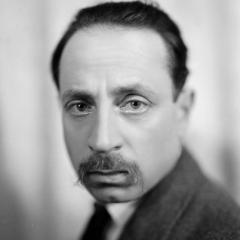
Rainer Maria Rilke
German poet known for his profound poetry and epistolary works. Rainer Maria Rilke's poetry style is unique, often exploring themes such as loneliness, love, and religious faith. more
You May Also Like
Source: The Second Fritz Leiber MEGAPACK®
Source: H. G. WELLS Ultimate Collection: 120+ Science Fiction Classics, Novels & Stories; Including Scientific, Political and Historical Works: The Time Machine, The Island of Doctor Moreau, The Invisible Man, The War of the Worlds, Modern Utopia, A Short History of the World, What Is Coming, The Story of the Last Trump…
Source: The Island of Dr. Moreau
“Now I will believe that there are unicorns.”
Source: The Plays of William Shakespeare in Eight Volumes: With the Corrections and Illustrations of Various Commentators; to which are Added Notes by Sam Johnson
“The problem with you is that you always see a glass of milk half empty instead of half filled.”