“First of all, Buddhism is neither pessimistic nor optimistic. If anything at all, it is realistic, for it takes a realistic view of life and the world. It looks at things objectively (yath?bh?tam). It does not falsely lull you into living in a fool's paradise, nor does it frighten and agonize you with all kinds of imaginary fears and sins. It tells you exactly and objectively what you are and what the world around you is, and shows you the way to perfect freedom, peace, tranquility and happiness.”
Quote by Walpola Rahula
Author
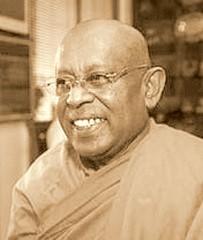
Walpola Rahula
Walpola Rahula, born in 1907, was a renowned Sri Lankan writer known for his works on Buddhist philosophy and meditation practices. His writings have been widely appreciated by readers. more
You May Also Like
Source: Journey through the Power of the Rainbow: Quotations from a Life Made Out of Poetry
“It was all balance. But then, she already knew that from surfing.”
Source: Sex and rage: advice to young ladies eager for a good time : a novel
Source: On Beauty and Being Just
“Every truth in this world stretched beyond its limits will become a false doctrine.”
Source: Frankenstein: The Dead Town: A Novel
Source: Tales of the Night
Source: The Tombs of Atuan: The Second Book of Earthsea
Source: The Farthest Shore: Book Three