Quotessence
Home / Quotes / Quote by David Hume

Quote by David Hume

“He sees such a desperate rapaciousness prevail; such a disregard to equity, such contempt of order, such stupid blindness to future consequences, as must immediately have the most tragical conclusion, and most terminate in destruction to the greater number, and in a total dissolution of society to the rest.”

Quote by David Hume

Work

An Enquiry Concerning the Principles of Morals

This book delves into the nature of moral philosophy, examining the origins and implications of moral values and ethical conduct in human society. more

Author
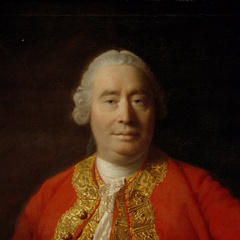
David Hume
David Hume

David Hume, born on May 7, 1711, in Edinburgh, Scotland, and died on August 25, 1776, was an outstanding philosopher, historian, and economist. Known for his contributions to empiricism and skepticism, his works have had a profound impact on subsequent philosophy, economics, and psychology. more

You May Also Like

“But, historians, and even common sense, may inform us, that, however specious these ideas of perfect equality may seem, they are really, at bottom, impracticable; and were they not so, would be extremely pernicious to human society. Render possessions ever so equal, men's different degrees of art, care, and industry will immediately break that equality. Or if you check these virtues, you reduce society to the most extreme indigence; and instead of preventing want and beggary in a few, render it unavoidable to the whole community.”

“We may conclude, therefore, that, in order to establish laws for the regulation of property, we must be acquainted with the nature and situation of man; must reject appearances, which may be false, though specious; and must search for those rules, which are, on the whole, most useful and beneficial.”

“The Noble Eight-Fold Path is the path of living in awareness. Mindfulness is the foundation. By practicing mindfulness, you can develop concentration, which enables you to attain understanding. Thanks to right concentration, you realize right awareness, thoughts, speech, action, livelihood and effort. The understanding which develops can liberate you from every shackle of suffering and give birth to true peace and joy.”

“In the early Buddhist view, then, a persons identity resides not in an enduring self but in his actions (karma)- that is in the choices that shape these actions. Because the dispositions formed by previous choices can be modified in turn by present behaviour, this identity as choice-maker is fluid, its experience alterable. While it is affected by the past, it can also break free of the past.”