“we often observe that there is abundance of capital to be had at low rates of interest, while there are also large numbers of artisans starving for want of employment.”
Quote by William Stanley Jevons
Work
The Theory of Political Economy
This book delves into the core concepts of political economy, examining economic systems, market dynamics, and the role of government in economic affairs. It is considered a seminal work in the development of economic thought. more
Author
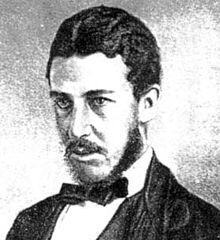
William Stanley Jevons
William Stanley Jevons was a British economist born on September 1, 1835, and died on August 13, 1882. He was a pioneer in the theory of marginal utility and had a profound impact on the development of economics. more
You May Also Like
“A little experience is worth much argument; a few facts are better than any theory.”
Source: Methods of Social Reform: And Other Papers
Source: Elementary Lessons in Logic: Deductive and Inductive : with Copious Questions and Examples and a Vocabulary of Logical Terms
Source: Elementary Lessons in Logic: Deductive and Inductive : with Copious Questions and Examples and a Vocabulary of Logical Terms
Source: Elementary lessons in logic
Source: The Theory of Political Economy
Source: Political Economy
“Property is only another name for monopoly.”
Source: The Theory of Political Economy
Source: The Theory of Political Economy
“The calculus of utility aims at supplying the ordinary wants of man at the least cost of labour.”
Source: The Theory of Political Economy