“If there are rules, we're the ones making them. We can change them whenever we want to.”
Quote by Isaac Marion
Work
Warm Bodies and The New Hunger: A Special 5th Anniversary Edition
This special edition commemorates the fifth anniversary of the release of 'Warm Bodies' and 'The New Hunger', two novels that blend romance with a dystopian world. 'Warm Bodies' tells the story of a zombie who falls in love, while 'The New Hunger' continues the narrative, exploring themes of survival and human nature in a post-apocalyptic setting. more
Author
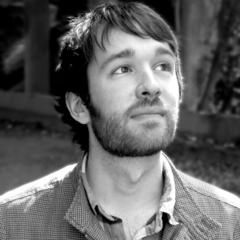
Isaac Marion
Isaac Marion is an American writer known for his works of fantasy, particularly the 'Twilight' series. His novels often explore themes of love, death, and the supernatural. Born in 1981, Marion developed a passion for writing from a young age and turned it into a career. His first novel, 'Twilight,' was published in 2005 and quickly became a bestseller, leading to a successful film adaptation. Marion's works have gained widespread acclaim and have had a significant impact on contemporary fantasy literature. more
You May Also Like
“Not so easy, Mr Lennon. Even if you try.”
Source: Warm Bodies: A Novel
Source: The Tenant of Wildfell Hall: Easyread Large Bold Edition
Source: The Tenant of Wildfell Hall (Diversion Illustrated Classics)
Source: The Art of the Commonplace: The Agrarian Essays of Wendell Berry
Source: Boneshaker
Source: Winter of the Wolf Moon: An Alex McKnight Mystery
“Am I not ninja enough? Are you saying that I lack ninja?”
Source: Bite Club