“Life is progressive, no matter what our intentions.”
Quote by F. Scott Fitzgerald
Work
The Complete Short Stories and Essays
This type of omnibus volume typically gathers all of an author's short stories alongside their essays, presenting the full range of their shorter literary output. Such collections are common in publishing for established writers whose careers produced significant bodies of work in both fictional and essayistic forms. The short story section would generally include pieces originally published in magazines, journals, or earlier standalone volumes, often arranged chronologically or thematically. The essays portion would encompass nonfiction writings on various subjects, which might include literary criticism, personal reflections, travel writing, social commentary, or autobiographical pieces. The specific contents, organizational principles, and editorial apparatus vary by edition and depend on which author's work is being collected. These comprehensive volumes serve scholarly purposes and provide readers with convenient access to an author's complete shorter works without needing to consult numerous separate publications. more
Author
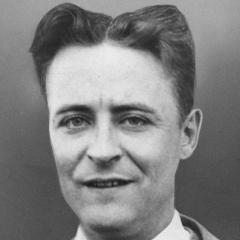
F. Scott Fitzgerald
F. Scott Fitzgerald was an American author of novels and short stories, renowned for his works that encapsulate the Jazz Age and the Roaring Twenties. His most celebrated novel, 'The Great Gatsby,' is a critical and commercial success, reflecting the themes of the American Dream and the decline of the American upper class. more
You May Also Like
Source: The Maltese Falcon
Source: The Reader
“He has been disassembled by her. And if she has brought him to this, what has he brought her to?”
Source: The English Patient: Special Edition
Source: The Tenth Man
“Why don't you reform yourselves? That task would be sufficient enough.”