“A remarkable parallel, which I think has never been noticed, obtains between the facts of social evolution on the one hand, and of zological evolution as expounded by Mr. Darwin on the other.”
Quote by William James
Work
The Will to Believe: And Other Essays in Popular Philosophy, and Human Immortality
This volume brings together two of William James's significant works. 'The Will to Believe and Other Essays in Popular Philosophy' presents a series of lectures and essays that argue for the legitimacy of adopting beliefs in cases where evidence is insufficient, particularly in moral and religious matters. James defends the right to believe in hypotheses that are live, forced, and momentous, challenging strict evidentialism. The essays cover topics such as the sentiment of rationality, the ethics of belief, and the psychology of religious experience. 'Human Immortality' is a separate essay that examines the philosophical and psychological arguments for the possibility of life after death, considering the nature of consciousness and its relation to the brain. Together, the works reflect James's pragmatic approach to philosophy, emphasizing the practical consequences and personal significance of our beliefs. more
Author
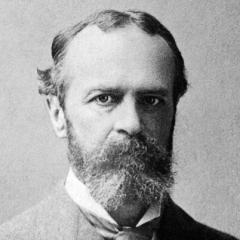
William James
William James, born on January 11, 1842, and died on August 26, 1910, was an influential American philosopher, psychologist, and writer. He is considered one of the founders of functionalism in psychology and has had a profound impact on the fields of psychology, philosophy, and religion. more
You May Also Like
Source: The Threat and the Glory: Reflections on Science and Scientists
Source: Science And Human Behavior
Source: Science And Human Behavior
Source: Word Virus: The William S. Burroughs Reader
Source: What Makes Biology Unique?: Considerations on the Autonomy of a Scientific Discipline
Source: Cultural Transmission and Evolution: A Quantitative Approach