Quotessence
Home / Quotes / Quote by Nathaniel Hawthorne

Quote by Nathaniel Hawthorne

Work

The Scarlet Letter

Nathaniel Hawthorne's classic novel is a profound exploration of human nature and the consequences of sin in a Puritan community. The protagonist, Hester Prynne, faces societal judgment and personal turmoil after being caught in an adulterous affair. The novel delves into themes of guilt, forgiveness, and the struggle for identity, while also examining the complexities of human relationships and the role of society in shaping individual lives. more
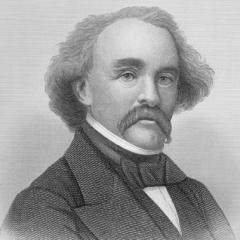
Author

Nathaniel Hawthorne
Nathaniel Hawthorne

Nathaniel Hawthorne was an American novelist known for his Gothic novels and romantic works. His writings often delve into themes of morality and sin, influenced by his family history and Puritan background. more

You May Also Like

“She died on a windy gray day in March when the sky was full of darting crows and the world lay prostrate and defeated after winter. Peter Lake was at her side and it ruined him forever. It broke him as he had not ever imagined he could have been broken. He would never again be young, or able to remember what it was like to be young. What he had once taken to be pleasures would appear to him in his defeat as hideous and deserved punishments for reckless vanity.”

“Christ alone, of all the philosophers, magicians, etc., has affirmed eternal life as the most important certainty, the infinity of time, the futility of death, the necessity and purpose of serenity and devotion. He lived serenely, as an artist greater than all other artists, scorning marble and clay and paint, working in the living flesh. In other words, this peerless artist, scarcely conceivable with the blunt instrument of our modern, nervous and obtuse brains, made neither statues nor paintings nor books. He maintained in no uncertain terms that he made ... living men, immortals.”

“Humans invent an imaginary lover and put that mask over the face of the body in their bed. That is the tragedy of language my friend. Those who know each other only through symbolic representations are forced to imagine each other. And because their imagination is imperfect, they are often wrong.”