“We find rest in those we love, and we provide a resting place in ourselves for those who love us.”
Quote by Bernard of Clairvaux
Work
St. Bernard of Clairvaux: Seen Through His Selected Letters
St. Bernard of Clairvaux: Seen Through His Selected Letters is a compilation of letters that reveal the intellectual and spiritual depth of the medieval theologian and monk. The letters span various periods of his life, showcasing his insights on topics such as contemplation, prayer, and the nature of divine love. This volume provides a unique glimpse into the mind of one of the most influential figures in the history of Western Christianity. more
Author
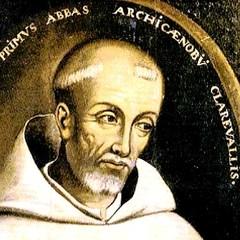
Bernard of Clairvaux
Bernard of Clairvaux, born in 1090 and died on August 20, 1153, was an individual of an unknown profession/category. more
You May Also Like
“I consider Christian theology to be one of the great disasters of the human race.”
Source: Delphi Complete Works of Friedrich Nietzsche (Illustrated): Friedrich Nietzsche
Source: Little essays drawn from the writings of George Santayana
Source: Woman, Church and State: A Historical Account of the Status of Woman Through the Christian Ages: with Reminiscences of Matriarchate