Quotessence
Home / Quotes / Quote by Thomas Hampson

Quote by Thomas Hampson

“Being a classical musician I'm fascinated with how my colleagues, not just singers, but every musician finds ways to express something else or something new or the same ol', same ol' in classical music. I'm always in dialogue with other musicians at least orally, if I can't be with them and a lot of dead musicians as well. I've learned a lot from dead people on recordings.”

Quote by Thomas Hampson

Author
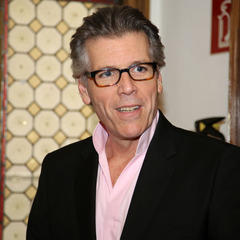
Thomas Hampson
Thomas Hampson

Thomas Hampson is a renowned opera tenor, born on June 28, 1955. His career spans across various genres, including opera, art song, and classical music. Hampson is known for his unique voice and exceptional performance skills, making him one of the most distinguished opera artists of our time. more

You May Also Like

“I think one of the great things behind game theory, or game development, especially in education now, apropos, digital and new media, is finding a better, easier, more intuitive way to learn that takes that away from the drudge and the structured work part and puts it into the reflective, "I'm alive, I'm a human being, I'm not working right now," part. And I think that I would like to see music and arts and humanities become more able to even the color spectrum of the fan of activities.”

“My only advice as an experience older singer is about singing, it isn't about music. To have a career in music is a completely different question and leads to other kinds of advice and other kind of experts. All you can do is someone planted in my mind very early on, this wonderful truism called, "Fortune favors the prepared mind." Be passionate about being a musician. There is no limit to how hard you must work and how detailed you must be in every facet of what you do, either as a singer, as a musician, or as a person.”

“The metaphor I routinely use is polar bears in the Sahara desert. You take creatures adapted to the cold and put them in the heat, the very traits that allow them to survive in one environment will conspire against them in the other. We are polar bears in the Sahara with one important distinction: we are smarter than the average bear. Once we identify the nature of the problem, we can think our way out of it. But it begins by acknowledging you didn't fail because you couldn't succeed. Because you didn't even know what the scope of the problem was. It's not your fault.”

“I think nervousness - a heightened sense of nerves and attention is a very healthy thing for a performer. It is an artificial environment that you are going into whether it's concert or recital, or stage. When I know something so well, I've done it so often, and you kind of walk out for Tuesday night's performance, or you feel like that, that makes me more nervous then being geared up. A little bit like race horses. In the same way that the horses are always difficult to get into that lineup, the worst time of my life is the 10 or 15 minutes before I go on stage.”

“Once you go on stage you're essentially creating the world that people want to participate in. The worst thing you can do is go out on stage with the idea that you're going to communicate something you've learned and if you do it really well, they'll approve. If you go out in an approval process, you will be so nervous and so preoccupied you'll never get to the heart of what it is you want to make music with.”

“We don't control everything. There are genetic influences. There are environmental exposures we don't control. I cannot guarantee anyone I counsel that by following what I hope is the good advice I offer them, they will live long and prosper. That's what I'm hoping for but I can't guarantee that. What I can tell them is this: "Look, I can help you firmly grip the wheel, and you can steer the ship. You're never going to control the winds and you're never going to control the seas. But if you sail well you can get through just about anything."”

“Balanced, sensible nutrition: eat food, not too much, mostly plants, a healthy diet ala Michael Pollan, modern physical activity on a daily basis, modest weight loss - translated into a 58% reduction in the occurrence of diabetes. A clear indication of the power of lifestyle over health. The challenge now is the development of the community-based programs that will translate what we learned in the diabetes prevention program and put it to work in every town in America.”