“Animals, even plants, lie to each other all the time, and we could restrict the research to them, putting off the real truth about ourselves for the several centuries we need to catch our breath. What is it that enables certain flowers to resemble nubile insects, or opossums to play dead, or female fireflies to change the code of their flashes in order to attract, and then eat, males of a different species?”
Quote by Lewis Thomas
Work
Late Night Thoughts on Listening to Mahler's Ninth Symphony
This book offers a reflective analysis of the profound impact of Mahler's Ninth Symphony on the author's life and thoughts, providing a unique perspective on the symphony's themes and composition. more
Author
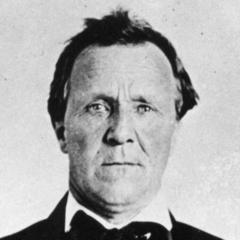
Lewis Thomas
Lewis Thomas was a renowned American physician, writer, and scientist. Born on November 25, 1913, and died on December 3, 1993. He was known for his contributions to medicine and scientific writing, serving as the director of Memorial Sloan Kettering Cancer Center in New York. more
You May Also Like
Source: The Works of Michael de Montaigne: Comprising His Essays, Letters, Journey Through Germany and Italy. With Notes from All the Commentators, Biographical and Bibliographical Notices, &c. &c
Source: Gossypium in Pre-Linnaean Literature
Source: Under the Apple-Trees
“Nature appears not to have intended that any flower should be fertilized by its own pollen.”
“Human beings place their desires ahead of the collective good.”