“If you choose to use your status and influence to raise your voice on behalf of those who have no voice; if you choose to identify not only with the powerful, but with the powerless; if you retain the ability to imagine yourself into the lives of those who do not have your advantages, then it will not only be your proud families who celebrate your existence, but thousands and millions of people whose reality you have helped transform for the better. We do not need magic to change the world, we carry all the power we need inside ourselves already: we have the power to imagine better.”
Quote by J. K. Rowling
Author
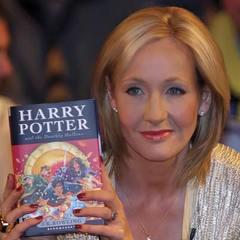
J. K. Rowling
J.K. Rowling is a renowned British author, born on July 31, 1965. She gained worldwide fame for her Harry Potter series, which achieved immense success in various forms, including books, movies, video games, and theme parks. Rowling's works are celebrated for their rich imagination, profound themes, and unique narrative style. more
You May Also Like
“No folly is more costly than the folly of intolerant idealism.”
Source: If I lived my life again
Source: The Stargirl Collection
Source: The Hunger Games Trilogy
Source: Long Live Hitch: Three Classic Books in One Volume
“Conservatism is the blind and fear-filled worship of dead radicals.”
Source: Mark Twain on Common Sense: Timeless Advice and Words of Wisdom from America's Most-Revered Humorist
Source: Hitch 22: A Memoir
Source: The History of Love: A Novel