“I verily believe that the kingdom of God advances more on spoken words than it does on essays written and read; on words, that is, in which the present feeling and thought of the teaching mind break into natural and forceful expression.”
Quote by Richard Salter Storrs
Work
Conditions of success in preaching without notes, 3 lects
Written as a series of three lectures, this book delves into the art of preaching without the aid of notes. It provides practical advice and strategies for delivering compelling sermons, focusing on the importance of preparation, confidence, and connection with the audience. The content is designed to assist preachers in honing their skills and engaging their listeners more effectively. more
Author
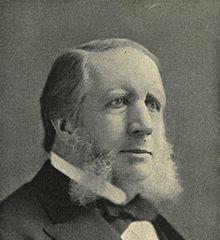
Richard Salter Storrs
Richard Salter Storrs, born on August 21, 1821, and died on June 7, 1900, was a figure in the field of 【Category】. His life was marked by 【Life Experience】, and he made significant contributions to 【Achievements and Contributions】. His impact and evaluation are still widely discussed today. more
You May Also Like
Source: Selected Sonnets: A Bilingual Edition
“The hearings are just like a snake about to devour people.”
“An erring colleague is not an Amalkite to be smitten hip and thigh.”
Source: Religion And The Rise Of Capitalism
Source: Religion And The Rise Of Capitalism
Source: Religion And The Rise Of Capitalism
Source: Religion And The Rise Of Capitalism