“Stirner and Nietzsche [adopt] a mode of thinking which is personal, introspective, and which while often operating on alternative systems of belief and action does so only as a means of better grasping one dominant goal the patterns of individual redemption. Stirner and Nietzsche are not primarily interested in critique as such. ... Their work is too egoistically compelled for them ever to employ the external world as more than the repository for a series of projections of their own.”
Quote by John Carroll
Author
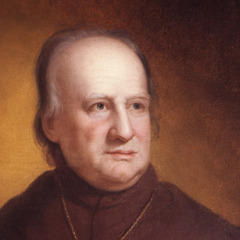
John Carroll
John Carroll (January 8, 1735 - December 3, 1815) was an American religious leader and one of the founding figures of Catholicism in the United States. Born in Ireland, he immigrated to the United States and became the first Archbishop of the United States, playing a significant role in promoting Catholicism and advocating for religious freedom for Catholics in America. more
You May Also Like
“Keep your ears open, your eyes open, grab everything you can, react, and learn!”
“If you start to think of your physical and moral condition, you usually find that you are sick.”
Source: Break-Out from the Crystal Palace: The Anarcho-Psychological Critique: Stirner, Nietzsche, Dostoevsky
Source: Break-Out from the Crystal Palace: The Anarcho-Psychological Critique: Stirner, Nietzsche, Dostoevsky
Source: Break-Out from the Crystal Palace: The Anarcho-Psychological Critique: Stirner, Nietzsche, Dostoevsky
Source: Break-Out from the Crystal Palace: The Anarcho-Psychological Critique: Stirner, Nietzsche, Dostoevsky
“The ugliness of the ideological lies in its legitimating the pursuit of the trivial.”