“But we are so fond of life that we have no leisure to entertain the terror of death. It is a honeymoon with us all through, and none of the longest. Small blame to us if we give our whole hearts to this glowing bride of ours, to the appetities, to honour, to the hungry curiosity of the mind, to the pleasure of the eyes in nature, and the pride of our own nimble bodies.”
Quote by Robert Louis Stevenson
Work
The Complete Works of Robert Louis Stevenson: Novels, Short Stories, Poems, Plays, Memoirs, Travel Sketches, Letters and Essays (Illustrated Edition): The Entire Opus of Scottish novelist, poet, essayist and travel writer, containing Treasure Island, Strange Case of Dr Jekyll and Mr Hyde, Kidnapped, Catriona and A Child's Garden of Verses
The Complete Works of Robert Louis Stevenson is a definitive compilation of the author's literary output. It includes a variety of genres, showcasing Stevenson's versatility as a writer. The collection begins with his most famous works, Treasure Island and The Strange Case of Dr. Jekyll and Mr. Hyde, which have become staples of the adventure and gothic genres. Additionally, it features his historical novel Kidnapped and the psychological novel Catriona. The collection also includes a selection of his poetry, plays, personal memoirs, travel sketches, correspondence, and essays. The illustrated edition aims to enrich the reader's experience by incorporating visual elements that complement the text. more
Author
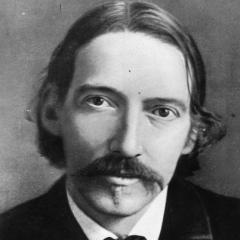
Robert Louis Stevenson
Robert Louis Stevenson was a 19th-century Scottish novelist, poet, travel writer, and essayist. His works are characterized by adventure and romance, with his most famous novels being 'Treasure Island' and 'The Adventure of the Treasure Island'. Stevenson's works have been beloved by readers and have had a profound impact on literature. more
You May Also Like
Source: Memories, Portraits, Essays and Records (Annotated Edition)
Source: Delphi Complete Works of Robert Louis Stevenson (Illustrated)
“I've been married fifty-five years and I've been home three weeks.”
“You know you've reached middle age when your weightlifting consists merely of standing up.”
“Put two things together which have never been put together before, and some schmuck will buy it.”
“Can placebos cause side effects? If so, are the side effects real?”
Source: Napalm & Silly Putty