Quotessence
Home / Quotes / Quote by Laura Riding

Quote by Laura Riding

“Polygamy and polyandry distribute the frightening physical solidarity of monogamy. Monogamous couples are always hungry for company: to dilute sex.”

Quote by Laura Riding

Author
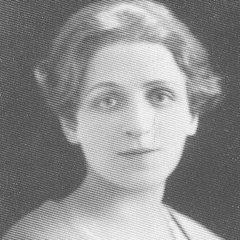
Laura Riding
Laura Riding

Laura Riding, an influential American poet, was born on January 16, 1901, and passed away on September 2, 1991. Her poetry is known for its unique style and profound emotional expression, considered a significant voice in 20th-century American poetry. more

You May Also Like

“Pseudo-modernists pursue individual style because they know they cannot make a name without it; but if they had lived in the eighteenth century their sole object would have been to write correctly, to conform to the manner of the period. In practice, their conforming individualism means an imitation, studiously concealed, of the eccentricities of poems which really are individual.”

“When modernist poetry, or what not so long ago passed for modernist poetry, can reach the stage where the following piece by Mr. Ezra Pound is seriously offered as a poem, there is some justification for the plain reader and orthodox critic who shrinks from anything that may be labelled 'modernist' either in terms of condemnation or approbation. Better he thinks, that ten authentic poets should be left for posterity to discover than one charlatan should be allowed to steal into the Temple of Fame.”

“The anthology meets with two different kinds of reactions in living poets. They will either write toward the anthology or away from it. Anti-anthology poets often overreach themselves, inflicting protective distortions on their work - as parents in old Central Europe often deliberately maimed their sons to save them from compulsory military service.”

“Daisy was a consciously happy young woman without any of the usual endowments that make for conscious happiness, money apart. She was not pretty, she was not clever, she had no friends, no talents, nor even an imagination to make her think she was happy when she was really miserable. As she was never miserable, she had no need of an imagination.”