Quotessence
Home / Quotes / Quote by Reid Hoffman

Quote by Reid Hoffman

“Times of economic crises can change what the competitive landscape looks like, because when, for example, you have boom times, capital is easy to come by, growth is easy, sometimes what you focus on is, you know, how to accelerate in the boom. During economic crises, the question is, the companies that come out of, you know, that are sailing through that with the best liquidity, both assets on the balance sheet, making money, ability to grow their businesses, get a disproportionate competitive advantage.”

Quote by Reid Hoffman

Author
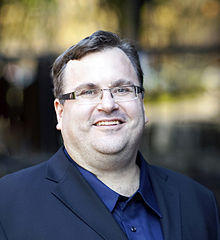
Reid Hoffman
Reid Hoffman

Reid Hoffman is an entrepreneur born on August 5, 1967. He is one of the co-founders of LinkedIn, which has had a profound impact on the development of modern professional social networking. more

You May Also Like

“One of the really key things to look at in terms of crafting strategy when you're in an economic crises is how do you maximize essentially your liquidity position? Your ability to both take kind of profits and revenues and business and then convert that into a stronger lead. And so those companies that can do that can actually, you know, get a march on their competitors.”

“The key thing is to invest in the future and what that means is when you're deploying technology or you're a technology business, is to make sure that you're keeping on the innovation cycle, where you're both creating and adopting the new business practices, and the new techniques in order to drive your business the right way.”

“The CEO's job is always about leadership. It's about leadership in a vision, in terms of where you're going, it's about making sure that you have the right organization and staff, and that you have kind of clearly communicated what some of the plays are and what some of the goals are in terms of the business and how do you organize together in order to make that happen.”

“The key thing for a CEO to keep their head in the game is recognize that there's turbulent times, plan for, you know, bad luck as well as good luck, keep people focused on what the key, you know, business wins are, and you know, provide the energy that people always need in order to, you know, to go into battle because, you know, work is hard and go into work and do that well. And provide a good leadership beacon for that. In other words, it's the same thing that makes good leadership in any other time.”

“In crisis times, it's actually not more difficult to motivate your staff, because everyone gets much more focused on how they control their own economic destiny. So, what you do is you have clear communication, which is always a good leadership technique, and you talk about how you can build something good and strong in the future, and how you can work together in order to do that.”

“Everyone, you know, during crises times, is much more focused on, okay, how do we get the boat completely seaworthy, sailing along well, and everything going well? And so as long as you're communicating how the general strategy of the company and how the work they can do to add to that and to make that more successful and the thing that they can contribute to that, that is generally very motivating for employees in crisis times.”

“If you have to conduct layoffs, which is always a regrettable thing, there's kind of three things that are very important. One is to communicate well with your employees in order to help them understand why it is you're doing, and how. Second is to make sure that the employees who are part of the go forward, understand kind of what happened and are not like the ground doesn't keep moving. It's like, okay, we did that, we're moving forward, here we go. And then for the employees that you unfortunately have to let go, try to provide as much support for them as possible.”