“Faithful heart may have froward tongue.”
Quote by J. R. R. Tolkien
Work
The Lord of the Rings: One Volume
This single-volume edition brings together the three novels of J.R.R. Tolkien's epic tale of Middle-earth: "The Fellowship of the Ring," "The Two Towers," and "The Return of the King." The story follows the quest of Frodo Baggins and his companions to destroy the One Ring and prevent the dark lord Sauron from conquering the world. more
Author
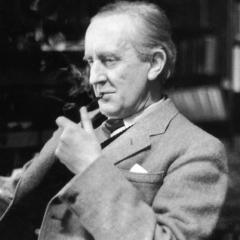
J. R. R. Tolkien
J.R.R. Tolkien was an English writer, best known for his fantasy literature, most notably The Lord of the Rings trilogy and The Hobbit. His works have had a profound impact on modern fantasy literature. more
You May Also Like
“Sarcasm and compassion are two of the qualities that make life on Earth tolerable.”
Source: Songbook
Source: False Memory
Source: Sword & Citadel: The Second Half of 'The Book of the New Sun'
Source: The Citadel of the Autarch: Urth: Book of the New Sun
“A poet must discover that it’s his own story that is true, even if the truth is small indeed.”
Source: Hermione and Her Little Group of Serious Thinkers
Source: Winnie-the-Pooh