Quotessence
Home / Quotes / Quote by Paul Auster

Quote by Paul Auster

“There is nothing more terrible, I learned, than having to face the objects of a dead man. Things are inert: that have meaning only in function of the life that makes use of them. When that life ends, the things change, even though they remain the same. […] they say something to us, standing there not as objects but as remnants of thought, of consciousness, emblems of the solitude in which a man comes to make decisions about himself.”

Quote by Paul Auster

Author
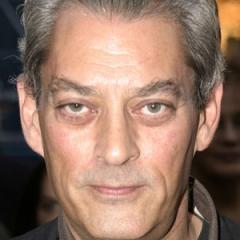
Paul Auster
Paul Auster

Paul Auster is an American author known for his unique narrative style and philosophical reflections. His works often explore themes of identity, memory, and reality, and have won him a wide audience. more

You May Also Like

“Almost halfway down the aisle, she saw someone she wasn't expecting, and she almost stumbled on her satin heels. Kingsley Martin stood at the end of a pew, his arms crossed. He was wearing a tuxedo as well. Just like any other guest. What was he doing here? He was supposed to be in Paris! He was supposed to be gone! He looked directly at Mimi. She heard his voice loud and clear in her head. Leave him. Why should I? What do you promise me? Nothing. And everything. A life of danger and adventure. A chance to be yourself. Leave him. Come with me.”

“In order to arouse sympathy, the aristocracy was obliged to lose sight, apparently, of its own interests, and to formulate its indictment against the bourgeoisie in the interest of the exploited working class alone. Thus, the aristocracy took their revenge by singing lampoons on their new masters and whispering in his ears sinister prophesies of coming catastrophe.”

“To summarize, using money to motivate people can be a double-edged sword. For tasks that require cognitive ability, low to moderate performance-based incentives can help. But when the incentive level is very high, it can command too much attention and thereby distract the person’s mind with thoughts about the reward. This can create stress and ultimately reduce the level of performance.”

“Recently Mr. Mawdsley’s donkey escaped from his stall, raced down the road, and somehow found his way into an enclosed pasture. Mr. Caird’s prized mare was innocently grazing when the ill-bred seducer had his way with her. Now it appears the mare has conceived, and a feud is raging between Caird, who demands financial compensation, and Mawdsley, who insists that had the pasture fencing been in better repair, the clandestine meeting would never have occurred. Worse still, it has been suggested that the mare is a shameless lightskirt and did not try nearly hard enough to preserve her virtue.”