“I must hold in balance the sense of the futility of effort and the sense of the necessity to struggle; the conviction of the inevitability of failure and still the determination to 'succeed'-and, more than these, the contradiction between the dead hand of the past and the high intentions of the future. If I could do this through the common ills-domestic, professional and personal-then the ego would continue as an arrow shot from nothingness to nothingness with such force that only gravity would bring it to earth at last.”
Quote by F. Scott Fitzgerald
Work
Fitzgerald: My Lost City: Personal Essays, 1920-1940
This book is a compilation of essays written by the American author F. Scott Fitzgerald during the specified time period. The essays offer insights into his personal experiences, reflections, and observations from that era. more
Author
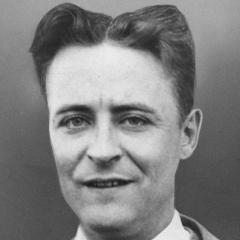
F. Scott Fitzgerald
F. Scott Fitzgerald was an American author of novels and short stories, renowned for his works that encapsulate the Jazz Age and the Roaring Twenties. His most celebrated novel, 'The Great Gatsby,' is a critical and commercial success, reflecting the themes of the American Dream and the decline of the American upper class. more
You May Also Like
“Beauty is rarely soft or consolatory. Quite the contrary. Genuine beauty is always quite alarming.”
Source: The Secret History
Source: Delphi Complete Works of Virginia Woolf (Illustrated)
Source: Selected Works of Virginia Woolf
Source: The Annotated Lolita: Revised and Updated
Source: Mrs. Dalloway - Broadview Edition
Source: Selected Works of Virginia Woolf
Source: Mrs. Dalloway - Broadview Edition