“War is an act of force, and to the application of that force there is no limit. Each of the adversaries forces the hand of the other, and a reciprocal action results which in theory can have no limit.”
Quote by Carl von Clausewitz
Work
On war: Translated from the German by O.J. Matthijs Jolles
This book is a translation of a classic treatise on military strategy and tactics, originally composed in German. It delves into the fundamental concepts and principles that govern warfare, providing a comprehensive analysis of military operations and the art of war. more
Author
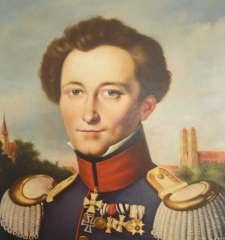
Carl von Clausewitz
Carl von Clausewitz, born on July 1, 1780, and died on November 16, 1831, was a Prussian military theorist and historian. He is considered one of the founders of modern military theory. Clausewitz's most famous work, 'On War,' has had a profound impact on military strategy and warfare theory to this day. more
You May Also Like
Source: Leadership Jazz - Revised Edition: The Essential Elements of a Great Leader
Source: the Revolt of the Masses
Source: Letters to Malcolm: Chiefly on Prayer
Source: A Mind Awake: An Anthology of C. S. Lewis
Source: Joyful Christian
Source: The Screwtape Letters: Annotated Edition
Source: Lectures on Romans