“However much we talk of the inexorable laws governing the life of individuals and of societies, we remain at the bottom convinced that in human affairs everything in more or less fortuitous. We do not even believe in the inevitability of our own death. Hence the difficulty of deciphering the present, of detecting the seeds of things to come as they germinate before our eyes. We are not attuned to seeing the inevitable.”
Quote by Eric Hoffer
Work
Between the Devil and the Dragon: The Best Essays and Aphorisms of Eric Hoffer
This book compiles a selection of Eric Hoffer's most insightful essays and aphorisms, offering readers a glimpse into his profound thoughts on human nature, society, and the complexities of the world. more
Author
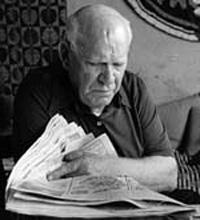
Eric Hoffer
Eric Hoffer was an American philosopher known for his profound insights into human nature. His works often explore society, politics, and human behavior, particularly focusing on the experiences of the underclass. Hoffer came from a German immigrant family and worked in various jobs in California during his youth, including dockworker, cook, and gardener. His first book, 'The Ordeal of Change', was published in 1950 and quickly became a bestseller, gaining him widespread recognition. His other works include 'The Ordeal of Change' and 'The True Believer' among others. more
You May Also Like
“I believe that all that we go through here must have some value.”
“A lie has always a certain amount of weight with those who wish to believe it.”
Source: Crusade in Europe
Source: Secret Power: The Secret of Success in Christian Life and Work
“I do not believe in doing for pleasure things I do not like to do.”
Source: There ought to be a law--
Source: White Noise