“Light is, perhaps, the most wonderful of all visible things.”
Quote by Leigh Hunt
Work
Table-talk: To which are added Imaginary conversations of Pope and Swift
Table-talk is a unique literary work that presents a series of conversations and dialogues between the renowned poet Alexander Pope and the satirist Jonathan Swift. The book is a fictional account, crafted to explore the intellectual and philosophical exchanges that might have occurred between these two literary giants. It combines elements of literary analysis with imaginative storytelling, providing readers with a glimpse into the minds of Pope and Swift through their imagined conversations. more
Author
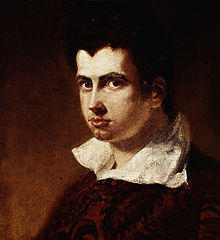
Leigh Hunt
Leigh Hunt was an English poet, essayist, and journalist, born in October 1784 and died on August 28, 1859. He was a prominent figure in the Romantic movement and is known for his literary contributions and social activism. more
You May Also Like
“Mirth itself is too often but melancholy in disguise.”
Source: Leigh Hunt's Works: Selections from the English poets
Source: Delphi Complete Poetical Works of Leigh Hunt (Illustrated)
Source: Leigh Hunt's London Journal
Source: A Book for a Corner
Source: Men, Women, and Books: A Selection of Sketches, Essays, and Critical Memoirs, from His Uncollected Prose Writings
Source: Men, Women, and Books: A Selection of Sketches, Essays, and Critical Memoirs from His Uncollected Prose Writings
Source: Men, Women, and Books: A Selection of Sketches, Essays, and Critical Memoirs, from His Uncollected Prose Writings