Quotessence
Home / Quotes / Quote by Terry Eagleton

Quote by Terry Eagleton

Work

Why Marx Was Right

This book delves into the enduring significance of Karl Marx's political and economic theories, analyzing their impact on modern political and social issues. more
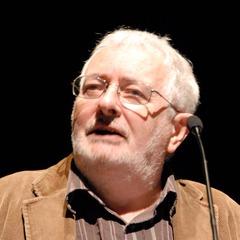
Author

Terry Eagleton
Terry Eagleton

Terry Eagleton is a renowned British literary critic, known for his research on Marxist literary theory. His work spans a wide range of literary and theoretical topics, influencing cultural studies and political commentary as well. more

You May Also Like

“But in the real world, you couldnt really just split a family down the middle, mom on one side, dad the other, with the child equally divided between. It was like when you ripped a piece of paper into two: no matter how you tried, the seams never fit exactly right again. It was what you couldn't see, those tiniest of pieces, that were lost in the severing, and their absence kept everything from being complete.”

“Outside, the ocean was crashing, waves hitting sand, then pulling back to sea. I thought of everything being washed away, again and again. We make such messes in this life, both accidentally and on purpose. But wiping the surface clean doesn't really make anything neater. It just masks what is below. It's only when you really dig down deep, go underground, that you can see who you really are.”

“I don’t suppose I really know you very well - but I know you smell like the delicious damp grass that grows near old walls and that your hands are beautiful opening out of your sleeves and that the back of your head is a mossy sheltered cave when there is trouble in the wind and that my cheek just fits the depression in your shoulder.”

“Switters was actually quite fond of Seattle's weather, and not merely because of it's ambivalence. He liked it's subtle, muted qualities and the landscape that those qualities encouraged if not engendered: vistas that seemed to have been sketched with a sumi brush dipped in quicksilver and green tea. It was fresh, it was clean, it was gently primal, and mystically suggestive.”