“A man who cannot command himself will always be a slave.”
Quote by Johann Wolfgang von Goethe
Work
Goethe : [selected Verse]
Goethe : [selected Verse] is a compilation of selected verses from the extensive body of work by Johann Wolfgang von Goethe. The book offers a curated selection of his poems, highlighting his mastery of German poetry and his profound influence on Western literature. It includes a variety of themes and styles, reflecting Goethe's versatility as a writer. The collection is intended for readers who appreciate the beauty of Goethe's verse and wish to explore his poetic legacy. more
Author
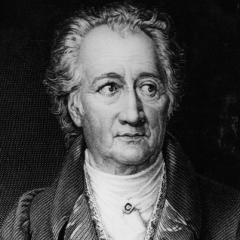
Johann Wolfgang von Goethe
Johann Wolfgang von Goethe, born on August 28, 1749, and died on March 22, 1832, was a prominent German writer, thinker, and scientist. He is one of the greatest writers in German literary history and his works have had a profound impact on the world. His most famous works include 'Faust' and 'The Sorrows of Young Werther'. more
You May Also Like
Source: Richard Baxter & Puritan Politics
Source: Democracy in America
“The national budget is not a safe-deposit box. It is a spray can.”
“Power is of its nature evil, whoever wields it.”
Source: Force and Freedom: Reflections on History
“All attempts by the State to bias the conclusions of its citizens on disputed subjects, are evil.”
Source: On Liberty